 Lavinia IonescuVIEW PROFILE →
Luxury's value reckoning: as LVMH and Kering steady, shoppers rethink price and flock to secondhand
Luxury is staging a cautious recovery in 2026, with LVMH's fashion division returning to growth. But a value-for-money shift is reshaping the market, as jewelry outpaces handbags and priced-out buyers pour into the booming pre-owned resale scene.
The luxury industry has reached a fascinating turning point in 2026. After a difficult stretch that shook even the biggest names in fashion, signs of recovery are finally emerging. Yet beneath the headline numbers, a deeper shift is underway in how people shop for luxury. Consumers are rethinking what they are willing to pay, and that change is reshaping the entire market.
The clearest sign of recovery comes from LVMH, the world's largest luxury group. In the first half of 2026, the company reported revenue of 38.6 billion euros, an organic increase of 2 percent. Crucially, its all-important fashion and leather goods division returned to positive territory in the second quarter, growing by 1 percent. That modest rise ended a painful run of seven consecutive quarters of decline for the segment.
Rival group Kering, the owner of Gucci, is also showing tentative signs of stabilization. Its first-half revenue came in at 7.2 billion euros, down 3 percent on a reported basis. However, comparable growth returned to positive figures in the second quarter, rising 2 percent. Even Gucci, the brand at the heart of Kering's troubles, saw its decline narrow to just 2 percent, a marked improvement from 8 percent in the previous quarter.
The value-for-money problem
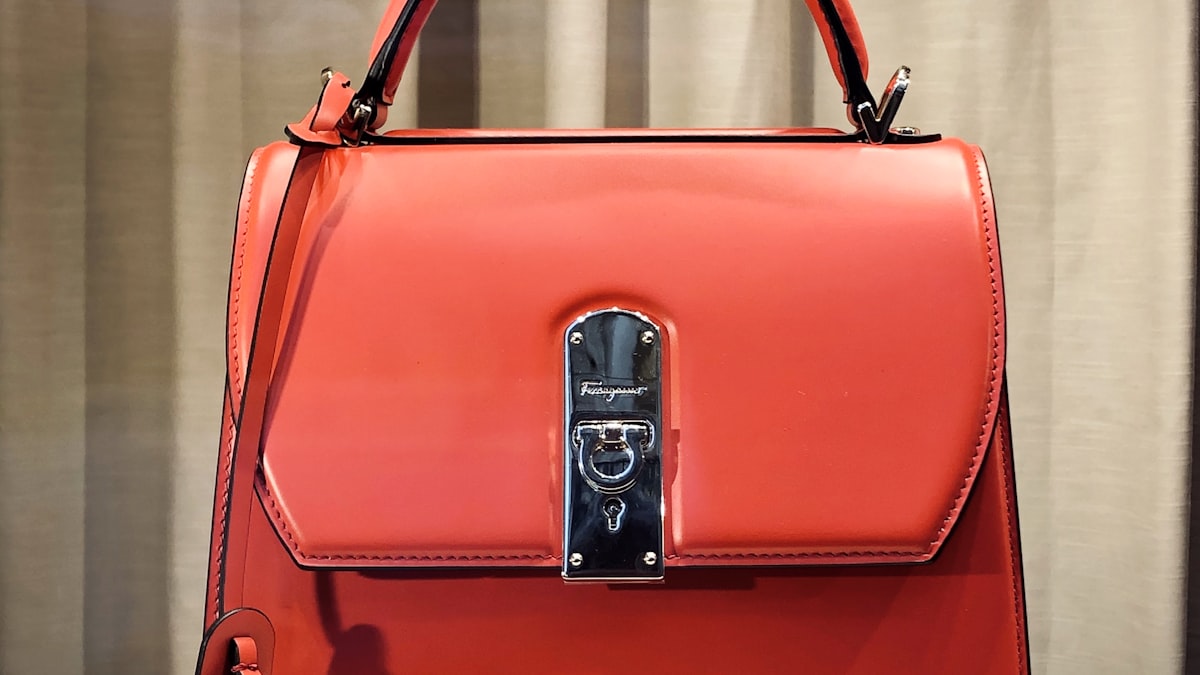
Behind these numbers lies a fundamental change in consumer behavior. After years of aggressive price increases, many shoppers are now scrutinizing whether luxury goods are truly worth their cost. This so-called value-for-money problem has become the central challenge facing the industry. Buyers are no longer willing to pay any price simply for a prestigious logo.
This shift is clearly visible in what people are choosing to buy. Jewelry, in particular, is now outpacing handbags, which had long been the engine of luxury growth. At LVMH, the watches and jewelry division grew by 11 percent in the second quarter, compared with just 1 percent for fashion and leather goods. At Kering, the contrast was even starker, with jewelry rising 18 percent while its fashion business remained flat.
Industry analysts see this as a telling signal. Luca Solca, a respected voice in luxury analysis, argues that the sector's core challenge is precisely this question of value for money. According to this view, consumers increasingly regard some newly priced handbags as poor value. Jewelry, by contrast, is often seen as a more lasting and justifiable investment.
LVMH's fashion and leather goods division returned to growth in the second quarter of 2026, ending seven consecutive quarters of decline.
The secondhand boom
Nowhere is this new mindset more evident than in the explosive growth of secondhand luxury. Priced out of new collections, many aspirational buyers are turning to the pre-owned market instead. There, they can find the same heritage and craftsmanship as new pieces, but at far more rational prices. What was once considered a niche has rapidly become a major force in fashion.
The figures behind this boom are striking. Vinted, the popular resale platform, generated 1.28 billion dollars in revenue last year and is now expanding into the United States. Meanwhile, luxury resale specialist The RealReal reported a 19 percent increase in revenue in the first quarter of 2026. Its gross merchandise value, a key measure of the total worth of goods sold, jumped by 24 percent.
The appeal of resale goes beyond just price. For many buyers, purchasing pre-owned pieces also aligns with a growing desire for more sustainable consumption. Rather than fueling constant overproduction, second-hand shopping gives existing garments and accessories a longer life. In an era of environmental awareness, this combination of value and responsibility is proving hard to resist.
What it means for luxury
Taken together, these trends point to an increasingly two-speed luxury market. At the very top, high-end jewelry and the most loyal clients continue to support the biggest houses. At the same time, aspirational buyers are trading down or moving into resale, forcing brands to rethink their strategies. The days of relying on endless price hikes appear to be over.
In response, the major groups are recalibrating their approach for a new era. Beyond adjusting prices, they are reassessing their brand portfolios and searching for fresh ways to justify their premium positioning. The recovery seen in 2026 is real but fragile, and the value reckoning is far from finished. How the industry answers the demand for genuine value will define the next chapter of luxury fashion.