 Lavinia IonescuVIEW PROFILE →
Buying Less Is the New Flex: How 'Underconsumption Core' Is Reshaping Fashion
Once a niche TikTok hashtag, underconsumption core has grown into a full lifestyle movement in 2026. From 100-day no-buy challenges to 'deinfluencing', a look at how Gen Z's turn against haul culture is quietly upending fashion.
Fashion conversations this year have been dominated by the great reset of luxury creative directors, the theatrics of the Met Gala, packed fashion months in Milan and Paris, and the endless hunt for the perfect designer handbag. Yet one of the most consequential shifts in how people actually relate to clothes is happening far from the runway, on the feeds of ordinary young consumers who have decided that buying less is the new status symbol.
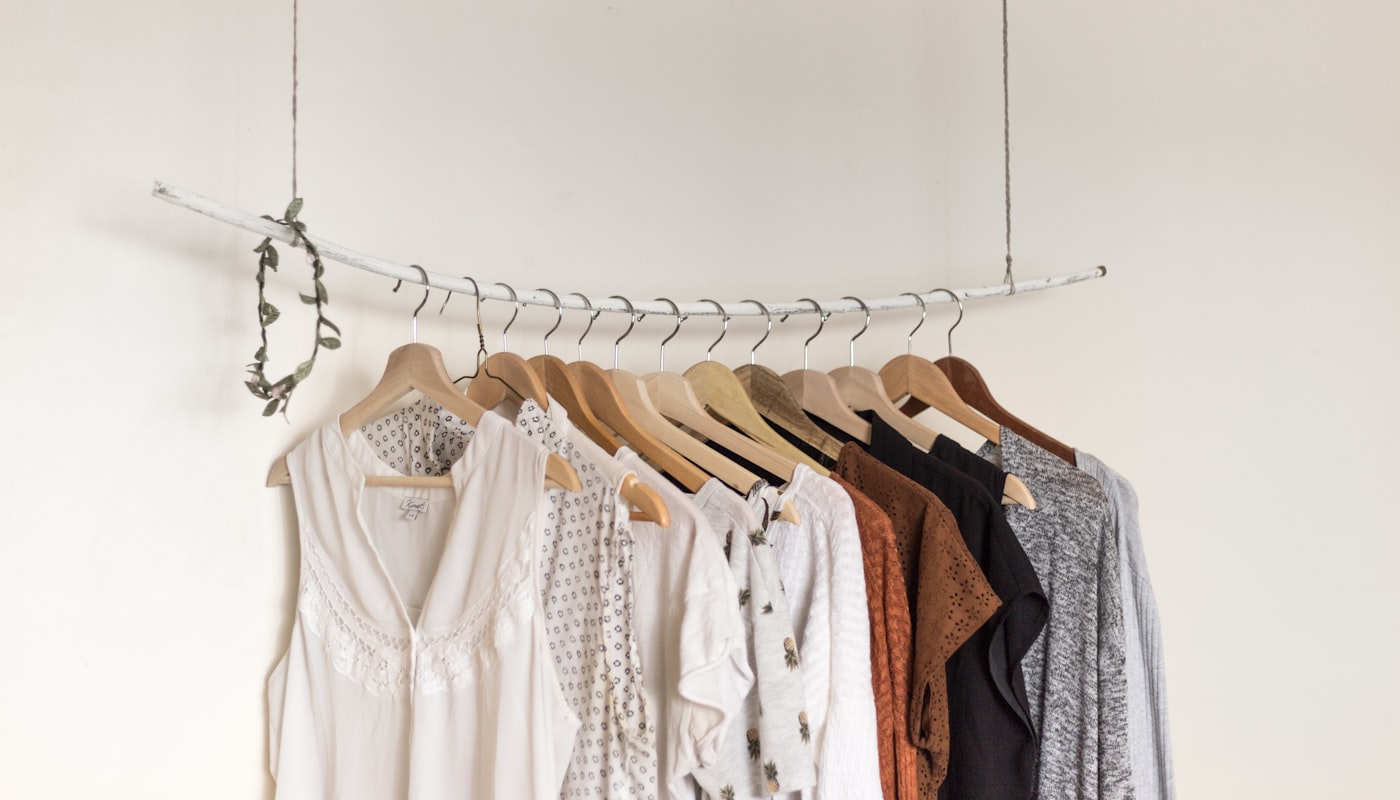
That movement is called underconsumption core, and it has evolved from a passing internet aesthetic into a genuine cultural force. At its heart lies a simple but radical idea for an industry built on constant newness: that the most stylish thing you can do is not to buy at all, but to make the most of what you already own.
The rise of anti-haul
Underconsumption core is a TikTok-associated trend in which creators present so-called anti-haul content, emphasising using, reusing, repairing and repurposing existing possessions instead of buying new items. It is a direct inversion of the haul video, the format in which influencers proudly display bags full of freshly bought clothes to their audiences.
The trend's growth has been remarkable. The hashtag underconsumptioncore first appeared on TikTok in mid-2024, and the movement accelerated in early 2025 when mainstream creators began posting anti-haul content. By June 2025, the trend had already reached an astonishing two billion views on the platform, a scale that few marketing campaigns could ever hope to match.
What began as scattered videos quickly coalesced into a recognisable movement with its own visual language and vocabulary. Well-worn shoes, half-empty make-up palettes used to the very end, and modest but functional wardrobes became badges of honour rather than sources of embarrassment, flipping the usual logic of aspirational content on its head.
From aesthetic to belief system
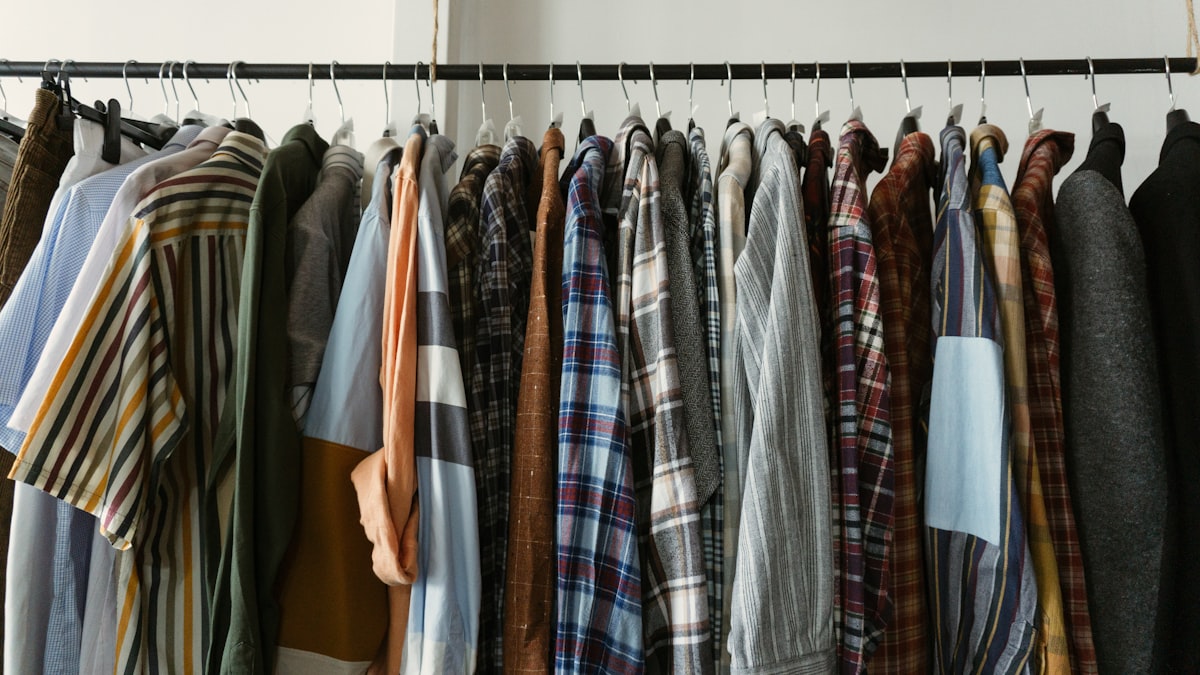
By 2026, underconsumption core has matured well beyond a simple look. It is now far less about aesthetics and far more of a genuine lifestyle belief system, one that shapes how its adherents think about ownership, spending and their own relationship with the constant churn of trends pushed by the fashion industry.
The movement has also proved durable rather than fleeting. It resurged strongly in March 2026, driven by several converging factors, most notably a wave of Gen Z financial influencers who launched 100-day no-buy challenges in January. These challenges peaked in visibility in March, turning personal restraint into a shared, public and even competitive endeavour.
Alongside it has grown a related countertrend known as deinfluencing. Instead of showing their followers what they bought, these creators explain what they are deliberately not buying and why, using their platforms to talk audiences out of purchases rather than into them, a striking reversal of the influencer economy's core function.
Why now
The timing of this shift is no accident. Coverage of the trend has consistently linked it to mounting cost-of-living pressures, a growing frustration with influencer marketing and shopping-haul culture, and deepening concerns about sustainability and the environmental toll of overproduction in fashion.
The economic backdrop is particularly telling. In the United States, rent surged by 135 percent between 1999 and 2022, while incomes grew by only 77 percent over the same period. Faced with such a squeeze, many young people have embraced a frugal lifestyle not merely as a moral choice, but as a practical necessity dressed up as a virtue.
The result is a broad cultural pivot. Across fashion and beyond, more young consumers are moving away from endless scrolling, same-day delivery and social-media-driven impulse spending, and instead seeking a more intentional, considered relationship with the things they own and the money they spend.
What it means for fashion
For an industry whose business model depends on persuading people to buy the next new thing, underconsumption core represents both a challenge and a paradox. The same generation that fuels ultra-fast fashion is also the one championing restraint, revealing a deep tension between stated values and actual behaviour that brands will have to navigate carefully.
Ultimately, whether underconsumption core proves to be a lasting reformation of consumer habits or simply another cycle in the endless churn of trends remains to be seen. But by reframing buying less as an aspiration rather than a sacrifice, it has already changed the conversation, reminding fashion that sometimes the most powerful statement is the purchase never made.






